Discover: What Is Fine Art Photography? Its Incredible History And Definition
What’s the difference between a professional wedding photographer and a photographer whose pieces end up in modern art museums (aside from the price tag)? The latter is fine art photography. Fine art photography is not only an artistic craft, but a form of high art. So, what is fine art photography?
What is photography?
To start, let’s define photography. In Greek, photography means “drawing with light.” The first surviving photograph was taken in 1826 by Nicéphore Niépce. A more advanced camera version called the daguerreotype was invented in 1839 by Louis Jacques Mandé Daguerre. For many decades, the photographic process was improved upon. In the late 1800s and early 1900s, cameras became portable and more widely used.
For decades, photography was considered a way to document the world, but nothing more. Photographers captured important events, portraits, and scenes. Some of the earliest political photos were of the American Civil War. In addition, photographs were easy to copy and used in advertisements and other commercial ways. Photography was seen as practical, but not necessarily artistic.
Pictorialism and artistic photography
Eventually, with the rise of portable cameras, photographers began emphasizing the aesthetic qualities of their pictures. At the time, artistic photography effectively replaced realistic paintings (Realism), helping start the Impressionism movement in painting. Some photographers used creative processes and methods, like painting their photos, to create new art forms. Beautiful, thoughtful photographs were displayed in exhibitions and shows, marking it as a more established form of art.
This movement was called pictorialism, defined as “an approach to photography that emphasizes [the] beauty of subject matter, tonality, and composition rather than the documentation of reality.” In short, photography became artistic. Photography had evolved beyond mere documentation. At this point, though, nobody was hanging photographs up in museums—paintings and sculptures were hogging all the wall space. To compete, photographers began spicing up their artistic medium.
Fine art photography
Eventually, photography became subject to other artistic movements and sensibilities. For example, other broader artistic styles, like Surrealism, influenced some photographers in the 1920s. In the early 1900s, an American society of photographers called the Photo-Secession, led by photographer Alfred Stieglitz, began advocating for photography as a fine art.
At that time, many people still considered photography not to be a real art form. However, in 1940, “New York's Museum of Modern Art establishe[d] the first department of photography in an art museum.” This helped solidify photography as an art form fit for museums and, therefore, as a fine art.
One gallery defines fine art as the “pinnacle of artistic expression, emphasizing aesthetics over functionality.” Photography had reached this pinnacle. So, that makes fine art photography a form of art that can reach the heights of the greatest artistic achievements. It can impress complex emotional responses, draw viewers into wonder and awe, and create catalysts of contemplation.
So, what’s the definition of fine art photography? It is an expression of the artist and beauty for beauty’s sake through the medium of photography.
Fine art landscapes
Just because art is beautiful for its own sake doesn’t mean it can’t inspire people. For example, the American photographer and environmentalist Ansel Adams (1902–1984) encouraged countless people to protect US national parks and enjoy nature. A shy and artistic child, Adams was first passionate about music before dedicating his life to photography. His black-and-white pictures recreated and emphasized the awe-striking and sublimity of nature.
He was famously a “straight photographer,” meaning he didn’t change the clarity or content of the pictures after they were taken. Many photographers change pictures through countless methods, such as double exposure and motion-blur photography. The forms of photographic art are nearly endless.
- Aerial photography, where photos are taken from the air.
- Abstract landscape photography, where the photos form abstract shapes.
- Panorama photography, where photos are stitched together to create a wide angle.
- And even astrophotography, where photos include the starry skies.
And more.
My landscape art
I believe landscapes to be especially powerful.
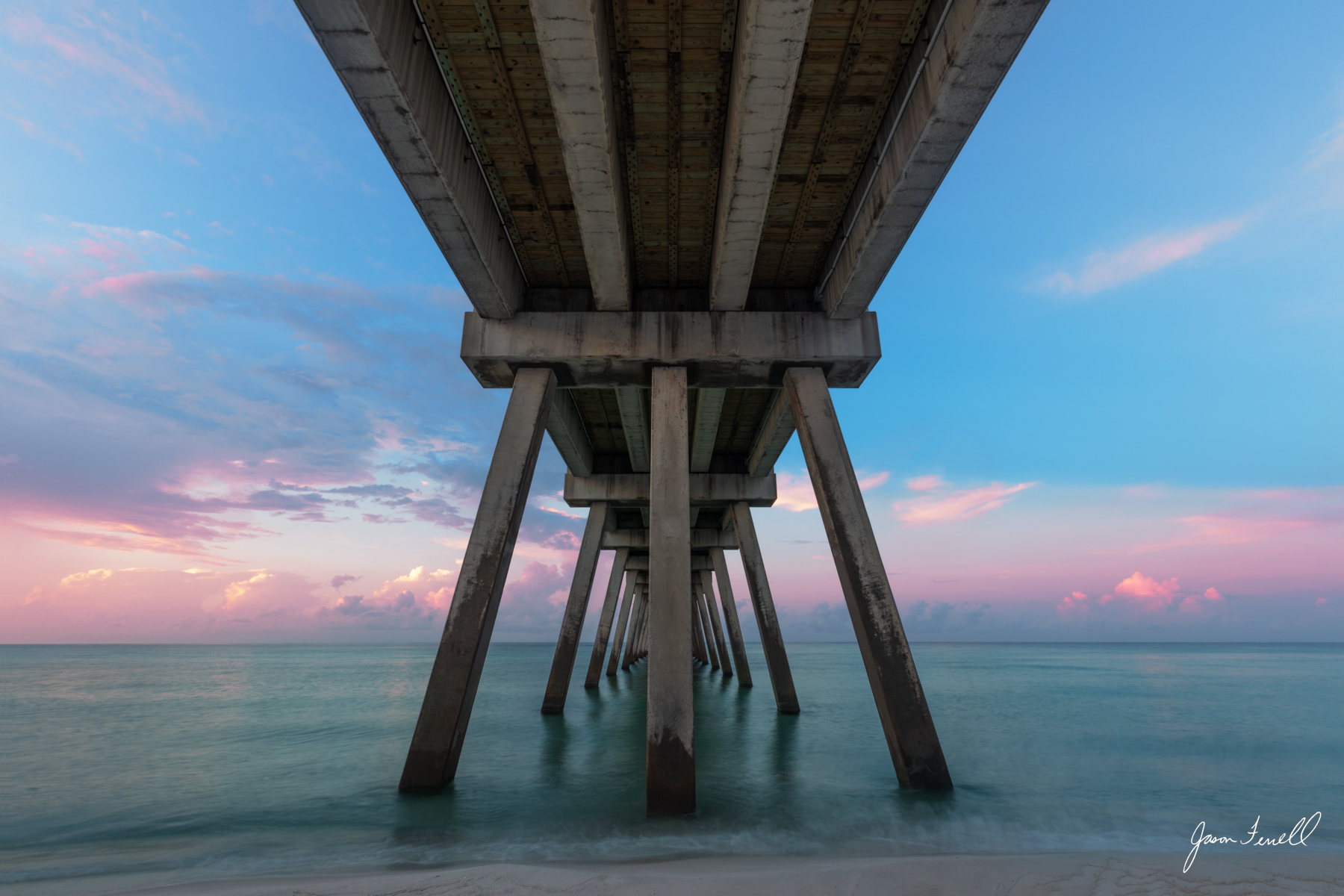
Good landscape photos capture nature in its purest form, highlighting its alien, proud, and striking qualities.
Drawing these features out and creating a piece of fine art by capturing a landscape takes a great deal of work and expertise. As someone who’s spent many years learning the craft, I can attest to the challenges. Nevertheless, it’s as rewarding a venture as any other form of art.
As a landscape photographer specializing in large wall art, my pieces range from abstract to detailed. Consider checking out my landscape art, and purchasing a piece for your home or office. I travel all over the States to capture the wonders of creation.