
Discover: 5 Reasons Why Human Art Is Better Than AI Art
In 2022, OpenAI released ChatGPT to the public, creating an AI (artificial intelligence) frenzy and opening the floodgates for further AI development. ChatGPT is a large language model (LLM) AI that learns based on massive training data. However, the base structure that makes ChatGPT run can be used for things besides chatbots, such as AI image generators. Now, anyone can generate an image of their liking in seconds, creating so-called AI art. What is AI art, and why is human art still superior?
What is AI art?
Here are some examples of AI image generators that are currently accessible.
- Midjourney
- Stable Diffusion
- DALL-E 2
- Leonardo.Ai
- Bing Image Creator
There are others, and it feels like more come out every day. Some are built into photo editing software, for example. Regardless, many of the results from these image processors are remarkable. They can be realistic or made in the style of renowned artists. Through “deep learning,” the sophisticated AI “neural network” processes the image data, and then, in a process called “diffusion,” it creates a new image based on a prompt. (If that all sounds like Greek, here’s a helpful, more in-depth explainer.)
A user might type, “dogs playing poker at a table in the style of Van Gogh.” Within seconds, the prompt will create several images for the user. The user can then download them and, theoretically, sell them or print them as art decor, creating AI art.
Why human art is better than AI art
There are some pros to using image creators. They are cheaper and quicker than a human artist. They can tailor your desired image to almost precisely what you want. However, despite these apparent upshots, human-created art surpasses AI art for five reasons.
1. AI art can’t always capture real places, things, or people
AI image generators cannot always accurately create places or real people. Its training data can identify and (imperfectly) replicate images of famous people and places, but not lesser-known ones. In addition, it may create fake aspects of a real place, person, or thing that doesn’t exist, a mistake an artist will likely not make.
2. AI art doesn’t exemplify the artistic process
The value of art cannot be measured. However, the ineffable quality of art exceeds the result. For example, the artist's materials, composition, history, and personal story play into particular processes. Consider Makoto Fujimura's “slow art” abstract paintings. One of his paintings only came to fruition 22 years after he first painted it.
AI-generated art cannot replicate the artistic process, which is often considered a vital part of a piece's quality
3. AI art faces copyright issues
AI image generators don’t create images out of thin air. Instead, they compile images by scraping the web (training data). However, programmers can’t trace back to which artists are used as inspiration for which text prompts. Some artists view the AI image generators as effectively using their art without attribution—in other words, infringing their copyright. A few lawsuits are being litigated, raising ethical concerns about using AI art.
4. AI art doesn’t make a good story
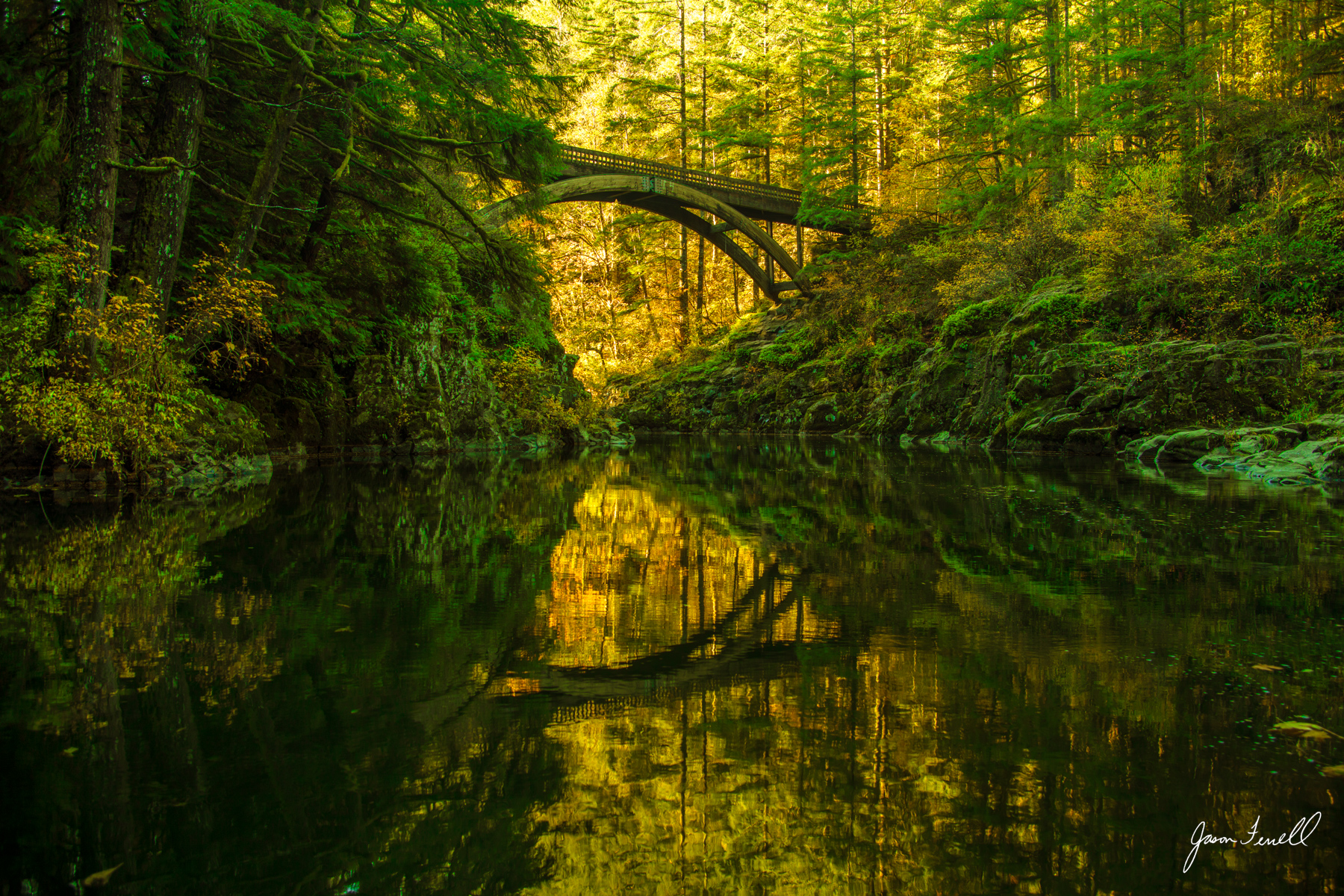
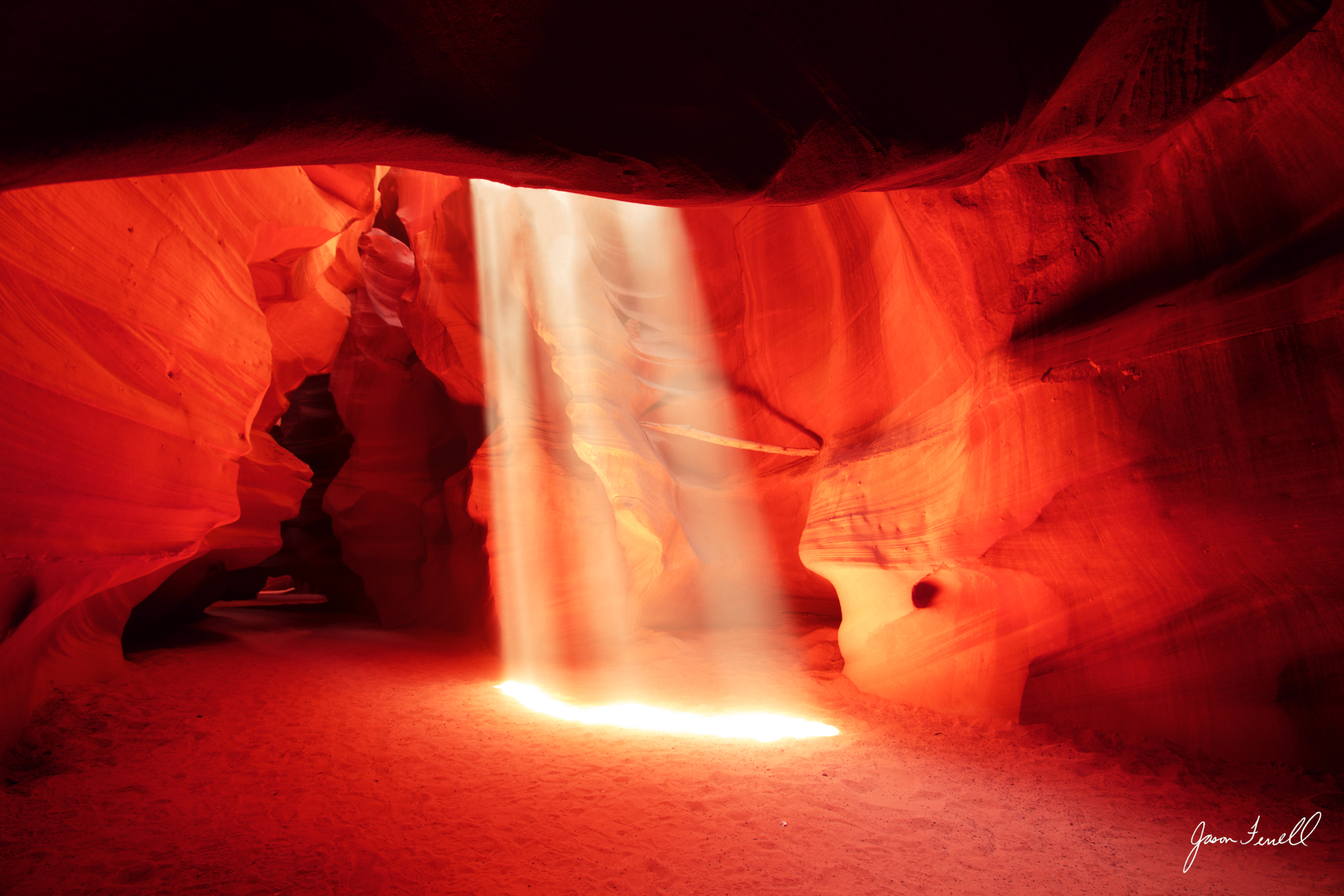
AI art doesn’t have stories behind it. The images may mimic human art almost perfectly, but when you buy or create art with AI, you miss out on its story and inspiration. Many artists attach their lives, stories, histories, or ideas to their art. AI, on the other hand, don’t get out much. And, as a buyer or creator of art, AI creation doesn’t make a genuine or exciting story. On the other hand, for example, landscape photographs (which I capture) are based on a place and an adventure. So, it connects to memories for me; if a buyer has been to the same place, they can also connect with it in a special way.
5. AI art doesn’t capture human feeling and individuality
AI image generators can copy individual styles of famous, historic artists well. They can also sometimes successfully generate realistic, photo-like images. Because they draw from real human artists, they can replicate “creativity” in one sense by making novel connections. However, they cannot express feelings through images. Instead, they are purely computational (being computers and all).
Some artists use AI to inspire themselves or carefully craft the perfect prompt. These uses are, of course, legitimate. However, there are good reasons to source art from human artists, to enjoy genuine art, and even create art through skill and imagination.
AI art and landscapes
While AI art can replicate some digital art and well-known artists’ styles, they especially fall short of landscape art. Image generators struggle to capture a real place; by definition, they can’t capture a specific time of day and lighting that an artist can bring out.
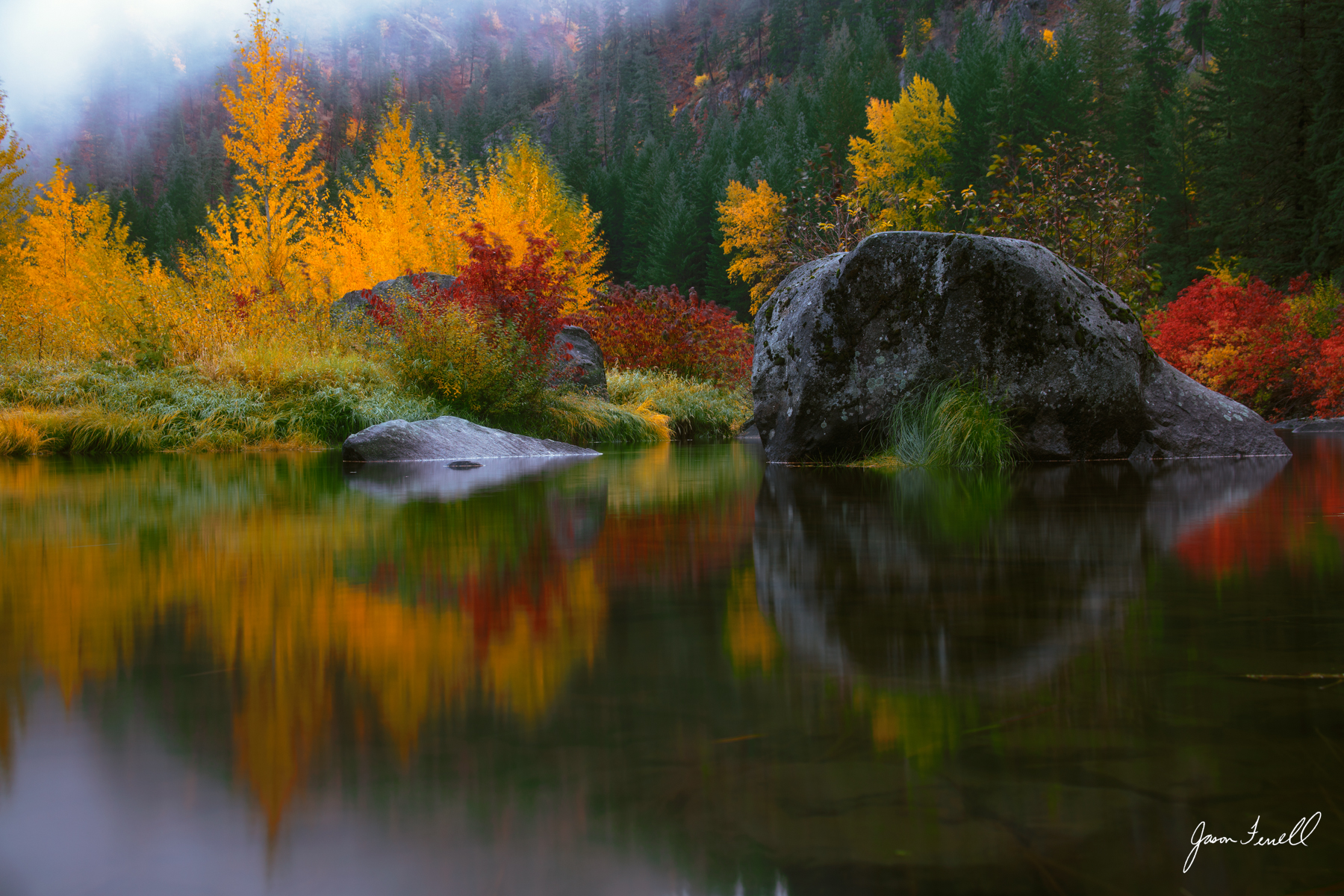
In addition, when buying a large landscape art, you need guidance on choosing the medium and printing of the piece. While creating the image is one step, buying prints directly from an artist opens communication with them. An artist like myself can help guide you through the best pricing and print options for your needs—a critical component of buying a piece.
As a landscape photographer specializing in large wall art, my pieces range from abstract to detailed and are always captured in real locations. Consider checking out my landscape art, and remember to support human artists as AI begins to compete. (On that note, don’t worry, this article was written by a human!)